We close all the work done during Unit 1 on Privacy with this presentation. It is our first major final product that will be defended by our cybermentor students at the 1st International Congress on Cybersecurity. These will be very special moments!
Showing posts with label Privacy. Show all posts
Showing posts with label Privacy. Show all posts
Tuesday, January 5, 2021

Unit 1: Privacy
Evidence "My (real) identity" - Hungary
Evidence "Technology and us" - Italy
Evidence "Privacy and security in the Internet" - Poland
Evidence "Protect your right to a private life" - Romania
Evidence "The party" - Spain
Evidence "Protecting personal information" - Turkey
Closing Down Privacy Activities
Romanian mobility (From 9th to 13th of December, 2019)
Final Product: A common presentation
Wednesday, May 20, 2020
Piensa antes de enviar - Think before you send!

Nuestro logo de Equipo
Hoy los cibermentores de 6º C, en nuestro proyecto Erasmus Cybersecurity Schools, en la cuarta sesión de Foros Nativos:
- Hemos visto un video que se llamaba 3,57 grados de separación. Nos explicaba que ahora tenemos la facilidad de poder contactar con una persona a través de otra en poco tiempo.
https://es.noticias.yahoo.com/video/facebook-demuestra-que-ya-no-140811072.html
- Hemos aprendido que las redes sociales nos facilitan la comunicación y podemos ponernos en contacto hasta con personas desconocidas. Los buscadores nos facilitan esa tarea y somos conscientes de los riesgos que tiene conectarse con un desconocido (grooming, ciberacoso, phising...). También tiene aspectos positivos como resolver dudas con profesores o expertos en una materia, podemos dar continuidad a nuestros aprendizajes, aprendemos idiomas...
- Hemos aprendido sobre privacidad a través de un juego: trataba de que Juan Antonio nos mandaba a cada Cybermentor una foto por Hangouts y teníamos que pensar si la compartiríamos o no con los demás cibermentores o también compartírsela a Eva o Juan Antonio.
 Google Hangouts
Después hemos reflexionado ¿por qué lo hemos compartido o por qué no?, ¿a cuántas personas le ha llagado la foto? o si nos hubiera gustado que hubiera llegado tan lejos esa foto. Hemos visto las graves consecuencias que puede tener compartir determinadas fotos.

Profes y alumnos trabajando en la sesión.
ENGLISH VERSION
Today we have carried out the 4th session developing our final product about privacy.
- We watched a video called "3,57 of degrees separation". It explains to us that if we want to communicate with someone it is easier thanks to Social Networks.
- We have learned that social networks make it easier for us to communicate and we can even get in touch with strangers. Search engines make this task easier for us and we are aware of the risks involved in connecting with a stranger (grooming, cyber-bullying, phising...). It also has positive aspects such as solving doubts with teachers or experts in a subject, we can give continuity to our learning, we learn languages...
- We played a game: Juan Antonio sent to each cybermentor a picture by hangouts and we have to decide to share or no with the other cybermentors. Teachers Eva and Juan Antonio participated in the game.
At the end we reflected about these questions: Why do we share or not? How many people have been touched by the photo? Or if we wished that picture had gone this far. We have seen the serious consequences that sharing certain photos can have.
Wednesday, May 13, 2020
A tool for our logo: Canva
Hoy los Cibermentores de 6º C hemos hecho nuestra tercera sesión de Foros y nuestro Proyecto Erasmus Cybersecurity Schools.

 Hemos descubierto que Canva es una herramienta cooperativa pero asincrónica, es decir, que no nos permite trabajar a todos al mismo tiempo. Pero sí en diferentes tiempos.

La aplicación de Hangout la podemos tener en nuestros dispositivos móviles y es una cuestión privada decidir si queremos que nuestros dispositivos nos avisen de nuevas notificaciones.

- Primero hemos revisado nuestros Diarios de Aprendizaje para asegurarnos de que lo habíamos completado y habíamos escrito las dudas.
- Luego hemos decidido nuestro logo de grupo: Al final todos hemos querido que el logo fuera un trabajo cooperativo. Para ello hemos decidido utilizar la herramienta de Canva. La versión final del logo la publicaremos en futuras entradas de este blog.

Borrador de nuestro logo.
 Hemos descubierto que Canva es una herramienta cooperativa pero asincrónica, es decir, que no nos permite trabajar a todos al mismo tiempo. Pero sí en diferentes tiempos.
Durante la semana haremos una entrada en el foro de eTwinning en relación al COVID 19 y el tema de la Privacidad en las redes. Para ello, hemos recordado las normas cuando participamos en foros.
Normas:
- Ser educados.
- No utilizar un exceso de emojis
- No escribir todo en mayúsculas.
- No poner nuestros nombres en el mensaje porque somos alumnos registrados en la Plataforma.

La aplicación de Hangout la podemos tener en nuestros dispositivos móviles y es una cuestión privada decidir si queremos que nuestros dispositivos nos avisen de nuevas notificaciones.
Screenshot of our online class
English version
Today the 6º C cybermentors celebrated our third session of FND and our project Erasmus "Cybersecurity Schools".
- First of all we reviewed our learning diaries to make sure we completed it and wrote our doubts about the privacy topic.
- Then we designed our group logo in a cooperative work with the tool Canva. We discovered that Canva is a cooperative tool but, asynchronous. This it means that's do not allows us to work all together in the same time. But we can do in different times.
During the week we will participate in a Forum in TwinSpace. It is very important for us to remember rules when we are writing in this communication activities.
Rules
- Be polite.
- Don't use a lot of emojis.
- Don't write all in capitals letters.
- It's not necessary to write our names because we are registered in eTwinning Platform.
Juan Antonio will resend us our eTwinning users and passwords. He will do it through the private chat in Hangout in order to guarantee the privacy of our personal information. This service is associated with our Educarex accounts.
Hangout can be installed in our devices and it is a matter of privacy to decide if the notifications sound or not.
Hangout can be installed in our devices and it is a matter of privacy to decide if the notifications sound or not.
Friday, November 29, 2019
P15 Evaluation Good Practices Unit 1 "Privacy"
EVALUATION OF GOOD PRACTICES UNIT 1: PRIVACY
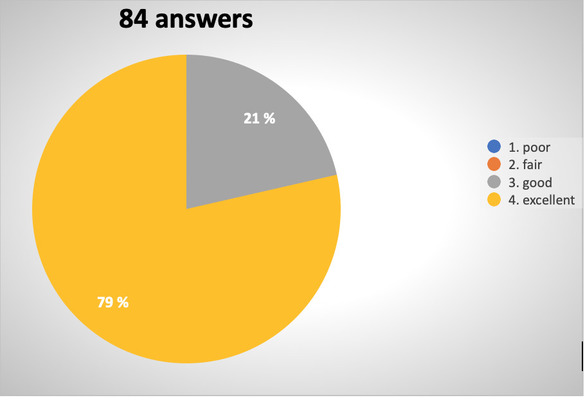
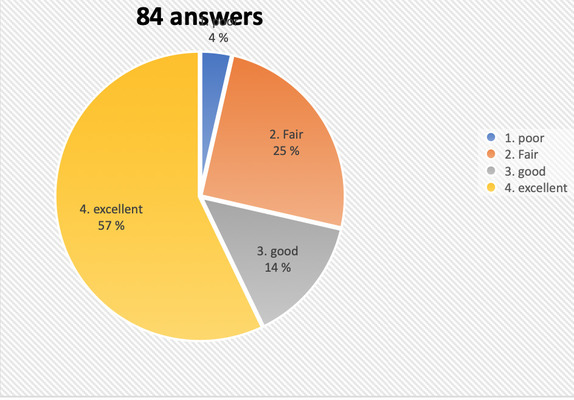
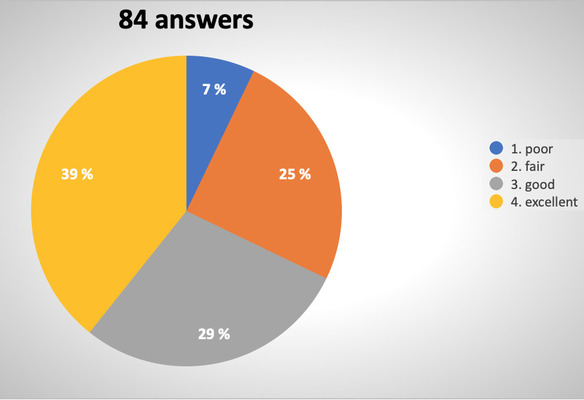
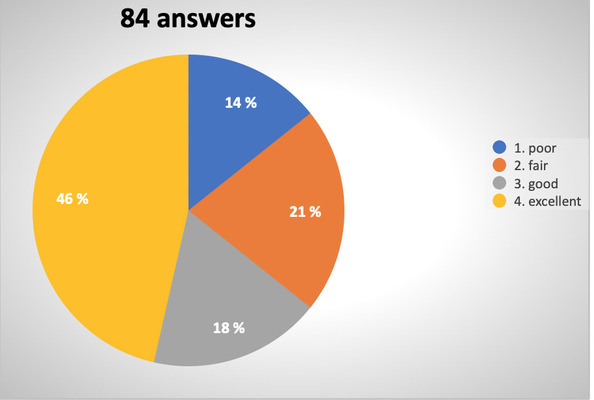
All countries have developed questionnaires to assess the results of our good practices. These can be found in the "Further evidence" section of this page.
1.- The activities were suitable for the age of the students:
2.- Our children talk about the activities:
3.- We observed some development and learning in our children:
4.- Our children also taught us what them had learnt about the good practices.
5.- Good practices supported the creativity of our children:
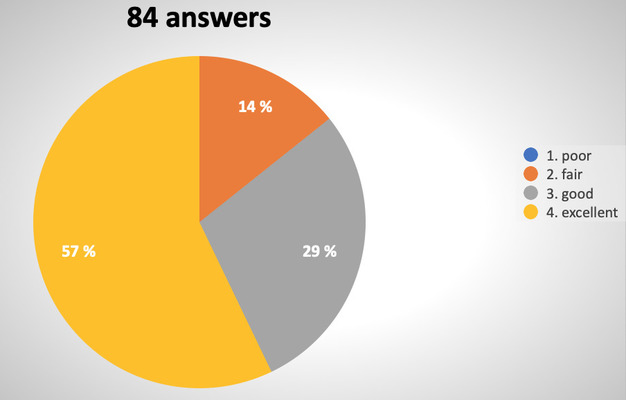
6.- Good practices were helping our children to be safe at the Net:
The following are general observations of good practices:
Hungary: "My real identity". Our students enjoyed the activity.
Italy: "Technologies and us". Quite and interesting and colourful activity. Our students enjoyed the activity.
Poland: "Privacy and security in the Internet". Our students enjoyed the activity, the liked especially when they had to move around and read informations on the backs of their mates.
Romania: "Protect your right to a private life". It was a useful good practice. A difficulty was some materials were not translated to English.
Spain: "The party". It was a very instructive activity. One difficulty: It was a bit hard to lead the conversation about the topic. Our students enjoyed the activity.
Turkey: "Protecting personal information". A very good practice that rises many questions in the participants, and make them think.
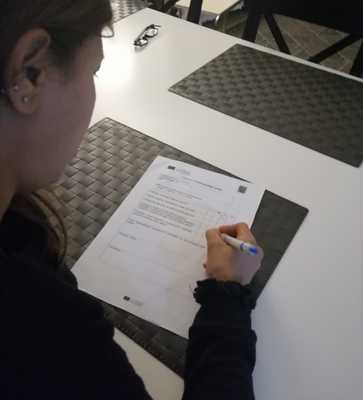
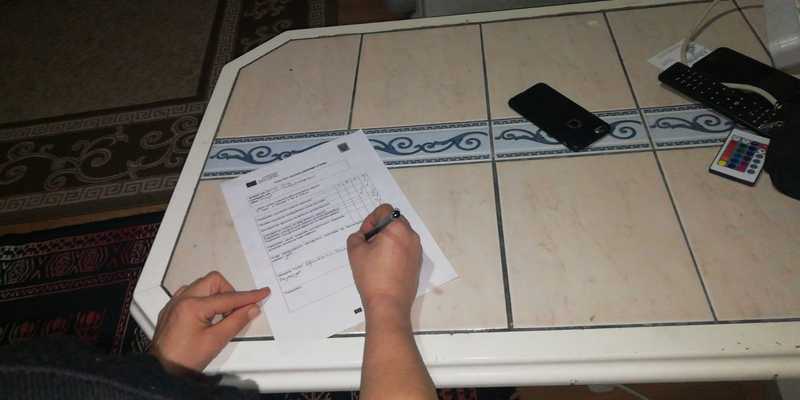
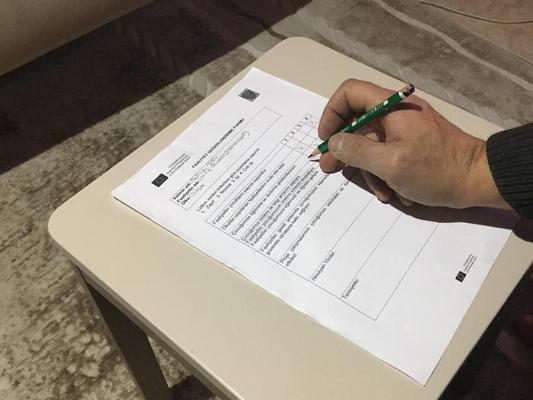
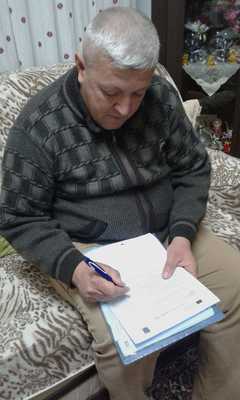
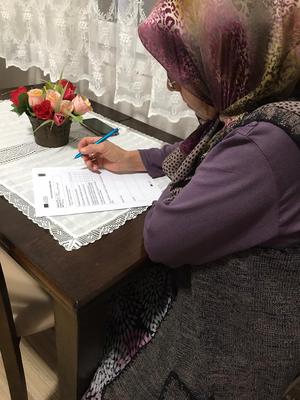
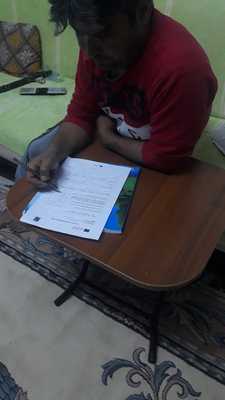
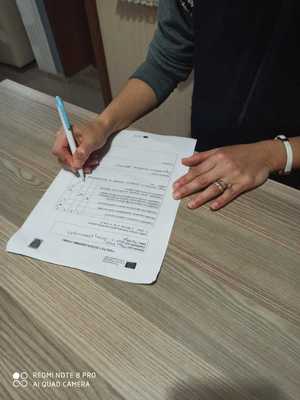
The evaluation was completed by teachers, students and their families. Below are photos of the process from the Fethiye Ortaokulu school.
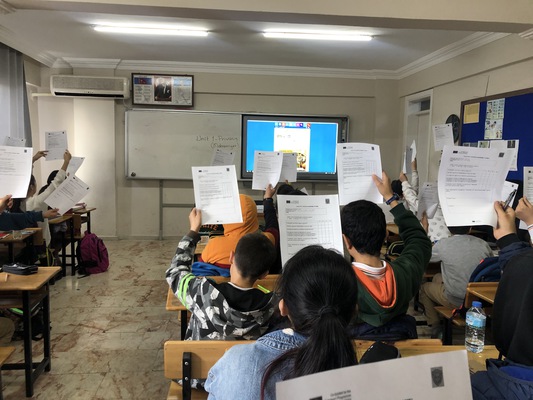
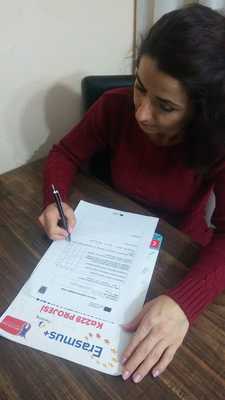
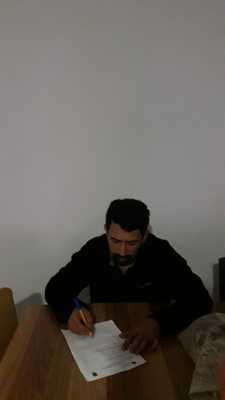


The following instruments were used to carry out this activity:
Hungary: Evaluation questionnaire "My (real) identity".
Italy: Evaluation questionnaire "Technology and us".
Poland: Evaluation questionnaire "Privacy and security in the Internet".
Romania: Evaluation questionnaire "Protect your right to a private life".
Spain: Evaluation questionnaire "The party".
Turkey: Evaluation questionnaire "Protecting personal information".
Subscribe to:
Posts (Atom)