EVALUATION

For the evaluation of these good practices we have designed separate questionnaires for each of the activities. These can be found in the "Further evidence" section of this page. Below we analyse the results for each of the activities.
Hungary: "Information is not knowledge"
We all think that the activity is appropriate for the age group of our students; the task is well organised and clearly explained; the contents are appropriate to the topic of Internet Communication; the timing, resources and materials provided by the host country have been adequate.
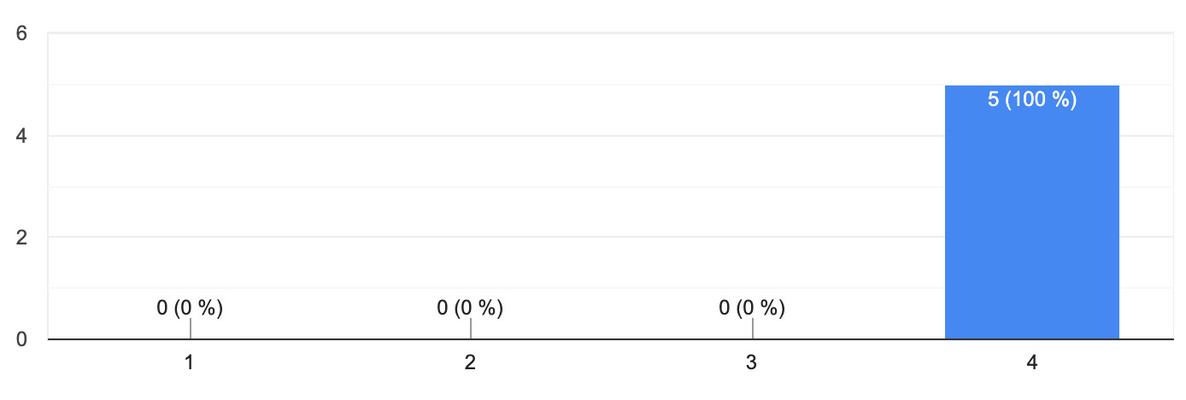
Item: Activity is suitable for students' age.
80% of the teachers consider that the objectives of the activity have been highly achieved and the motivation of the students during the activity was good. Among the positive aspects, the following stand out:
- Students were enthusiastic about the Photoshop test.
- Very interesting activities.
- Useful information.
No negative aspects are mentioned. In general students enjoyed the activity.
Italy: "Fake News"
For 100% of the participants, the activity is appropriate for the age of the pupils; it is well organised and clearly explained; the proposed objectives and contents were achieved; the resources and materials provided were useful; the pupils were motivated during the development of the activity. 80% consider that the timing of the activity was very appropriate.
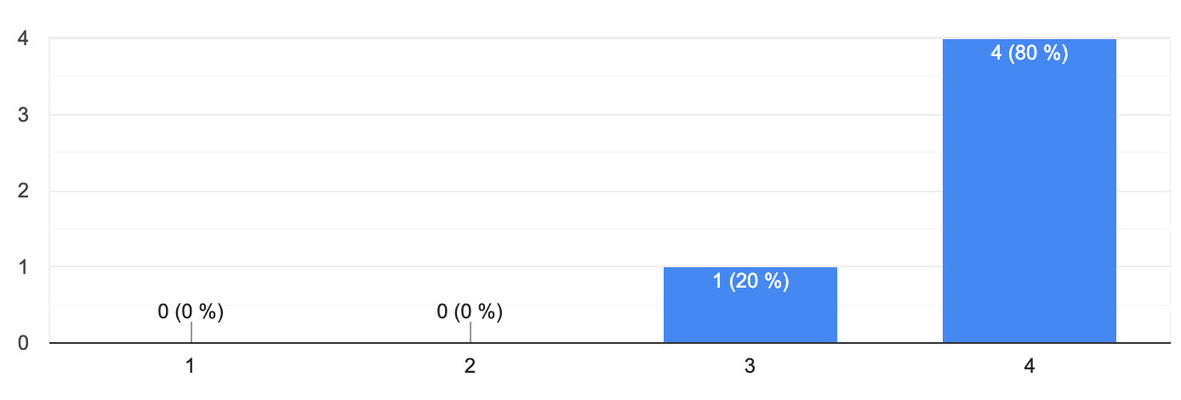
Item: Timing proposed for the activity is adequate for its development.
As positive aspects we mention the following:
- Students and teachers have found that we have to pay attention to the News.
- There are very interesting and current topics.
- Students enjoyed the activity.
- Students had the opportunity to learn about hidden pitfalls behind seemingly harmless communication and not trust appearances.
Between difficulties or drawbacks we have the following:
- Working online.
- Despite the clousure of the school due to a pandemic, we were able to carry on the activities undertaken, working on a class magazine.
It is a well prepared activity. All the topics are offering us many ideas for working and reflecting to share with students and families.
Poland: "Communication on the Internet"
20% of teachers consider that this activity is suitable for students age. The rest of teachers think that is very suitable. All participants agree that the activity was well organised and explained clearly; the objectives and contents proposed were reached; the timing is very adequate for the development of the activity; resources and materials given were useful; and students were very motivated during the activity.
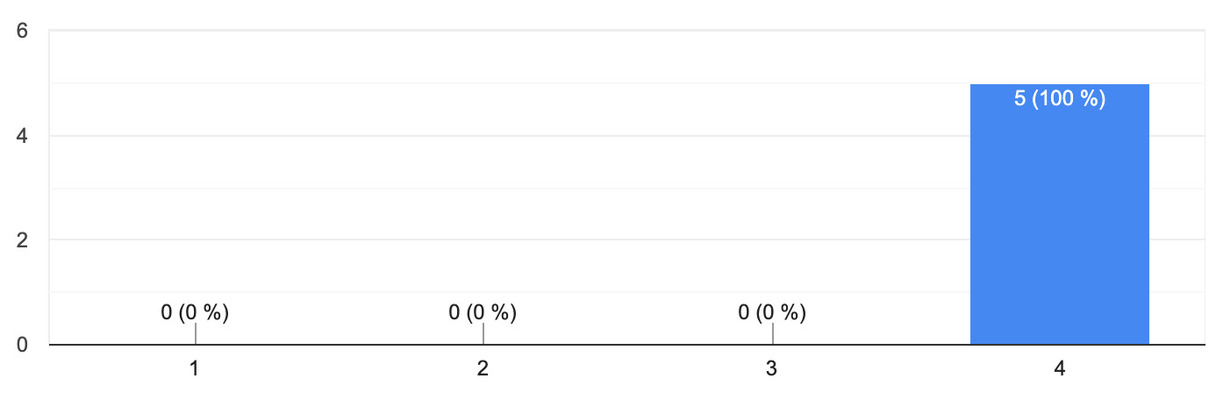
Item: Students were motivated during the activity.
Regarding to positive aspects we should mention the following:
- It is a good practice that fosters teamwork.
- This activity made students reflect on how they can be wrong using the Internet to communicate with other people.
No difficulties were encountered.
Romania: "Digital Resilience"
100% of teachers consider that the activity is suitable for students age; it is well organised and explained clearly; the contents were adequate and related to the topic (Communication); resources and materials given were useful; and students were motivated during the activity.
12,5% of teachers consider that the objectives proposed were well reached.
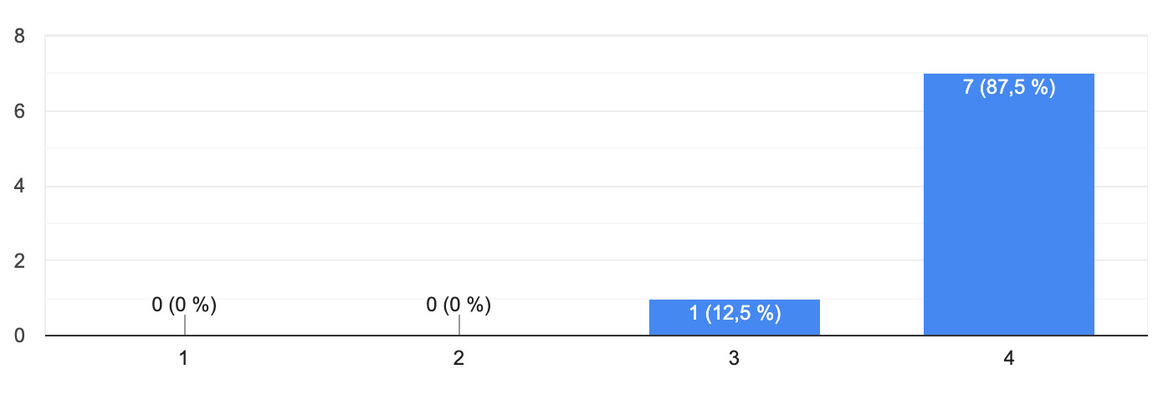
Item: Objectives proposed have been reached.
25% of teachers consider that time proposed is well adequate for the development of the activity.
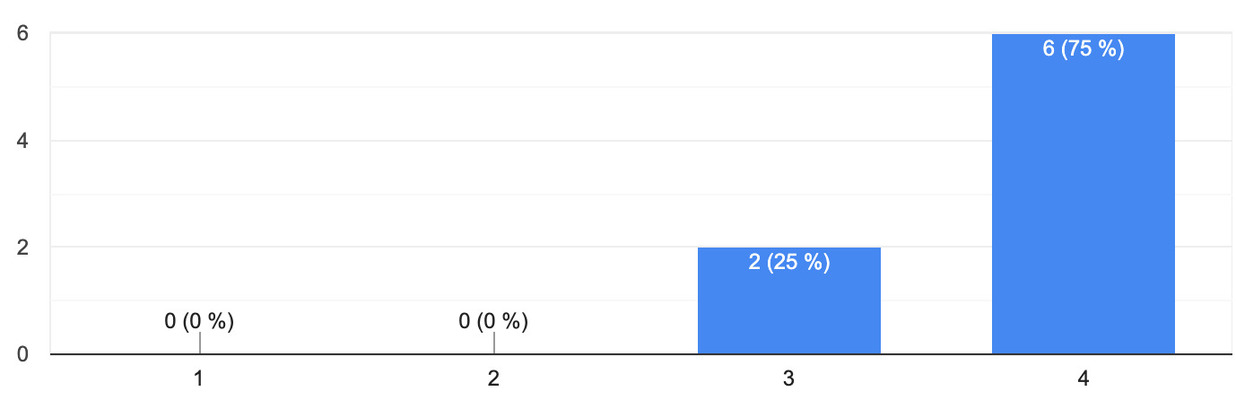
Item: Time proposed for the activity is adequate for the development of the activity.
Regarding to positive aspects we can mention the following:
- The good practice fosters to work together.
- This activity has given a lot of interesting new aspects of understanding how we feel in different situations in the virtual space.
- The good practice is composed by interesting activities that are good opportunities for students to learn and discover how they react in different online situations.
- Great activities, clear objectives and explanations, very good understanding of the challenges digital resilience poses.
- Suitable activities to address the need for digital resilience, students' awareness of digital technology and the risks that come with it.
- Very good resources used to meet the objectives of the activity, highly-motivated students, clear teacher guidance, strong positive sense of students' responsibility for their online actions.
Respecting difficulties or drawbacks we can mention the following:
- Translating and understanding the tasks in English.
- Shy students should be encouraged to be more talkative and open to discussions.
- Language difficulties for students regarding to the digital resilience terminology.
- More time should be allocated for building an effective digital resilience strategy.
Overall the pupils enjoyed the activity and it had a good impact for pupils, teachers and schools.
Spain: "Answering is not always the best solution"
80% of teachers consider that the activity was suitable for students' age; the activity was very well organised and explained clearly; the objectives and contents proposed were enough reached; timing was quite adequate for the development of the activity; resources and materials given were useful.
Regarding to motivation 40% of teachers think that students were well motivated and 60% excellent motivated.
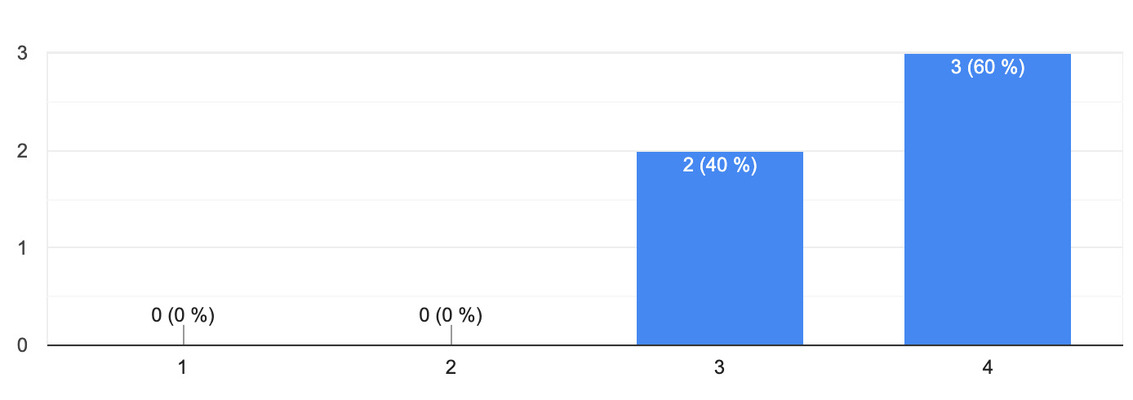
Item: Students were motivated during the activity.
Looking on positives aspects of the good practice we can refer the following:
- "This activity gave me the possibility to speak to my students of ecological communication, a new psychological approach to interpersonal relations in order to deal with and solve potential communicative problems as for spoken and/or written verbal language".
- "The children work very well and they were motivated. They worked together and they learnt about how they can day the things correctly".
- "A very beneficial good practice for our student in today's society. It is important to act from prevention".
- "Students have done a great job that have allowed them to reflect on actions related to verbal aggressions on the web. This is a very important topic nowadays and in our societies".
Considering difficulties or drawbacks we can describe the following:
- "As I am not the students' tutor, I have no opinion on this question. I could perhaps comment on giving more dissemination / practice (during the school year) between our students of lower grades, although I understand that time limits us a lot".
- "When students had to comment the activities and they had to say the sentences, sometimes they repeated the same ideas".
- "Some difficulties due to e-learning lessons; at present in Italy it is the only way to lead our teaching /learning activities and this lesson, too, has been done at distance".
- "They are very large classrooms and sometimes it is difficult to reach all the students. Failure, at times, of the technologies in the school".
Teachers think the approach of this activity as it has been implemented is very correct. As an observation a teacher says: "Make sure they do not forget it and can implement it in real life: sustainability".
Turkey: "What do you mean?"
All teachers participating in the questionnaire think that the activity was suitable for students' age; the objectives and contents are very well adequate and related to the topic of communication; timing was hugely adequate for the correct development of the activity; and students were over motivated.
80% of teachers consider that the good practice was well organised and explained clearly; and resources and materials given were useful.
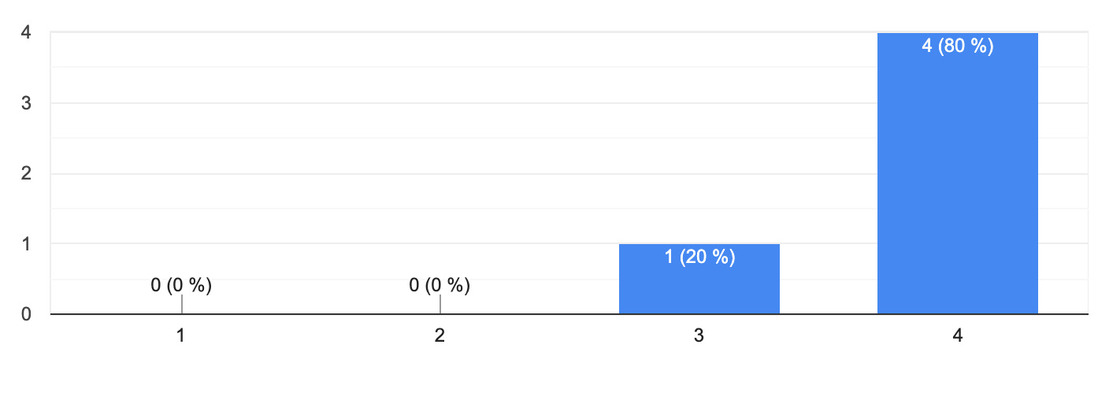
Item: Resources and material given have been useful.
Regarding to positive aspects we have the following:
- It is a fun activity to teach abbreviations.
- "This activity has brought out the creativity of using contemporary chat slang among the students".
- The activity encourages teamwork.
- "Teaching kids to unwritten rules of texting is important".
The only drawback mentioned is to translate and understand texting abbreviations in English by students. Any changes are suggested and as observations teachers express these three ideas:
- Students enjoyed the activity.
- Satisfying.
- Entertaining and educative.


